
The Roadmap to Success in Automotive

Veronica Dunford

Judy Farcus Serra
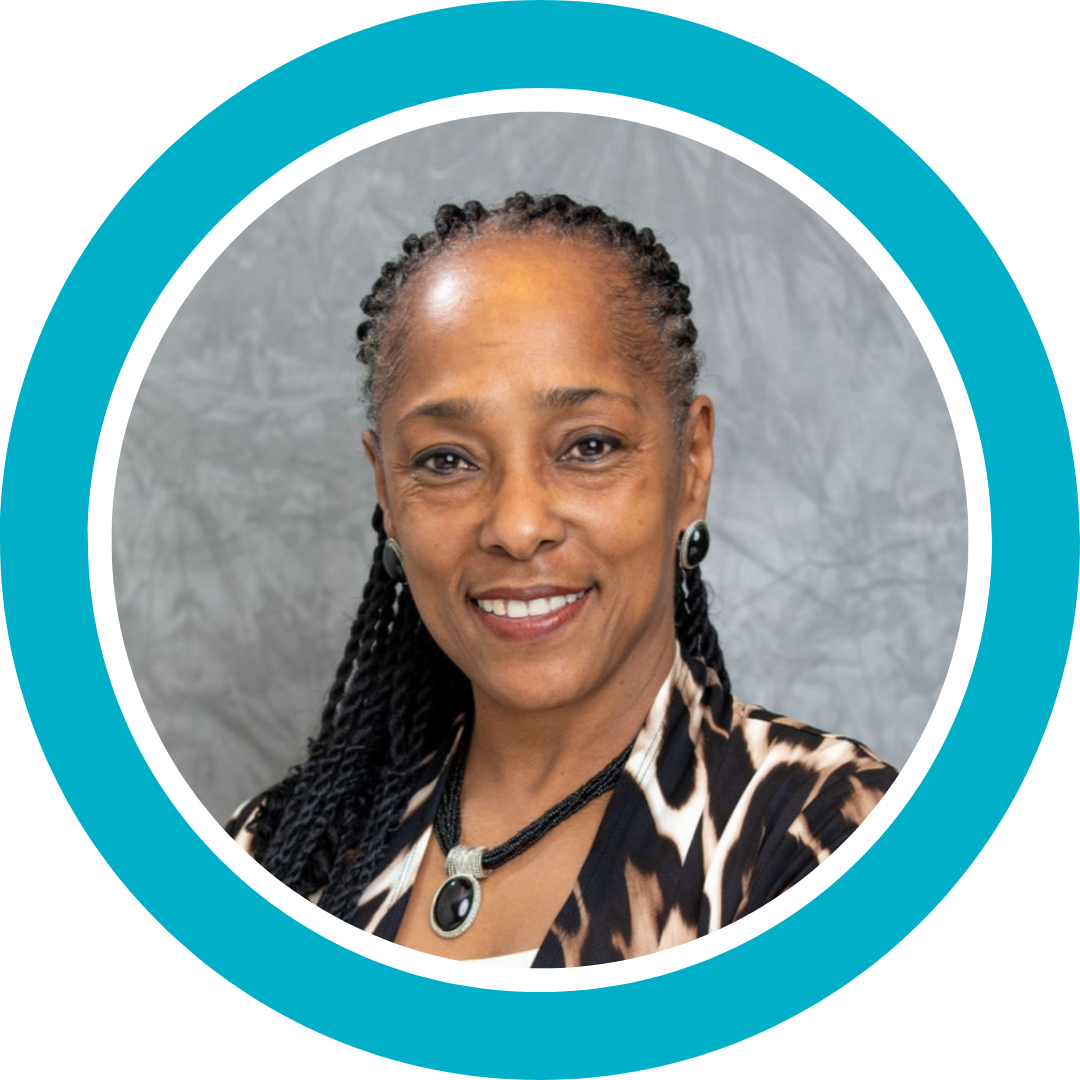
Kathy Gilbert

Fatih London

Bobbie Herron

Dr. Martha Rader

Andy Church
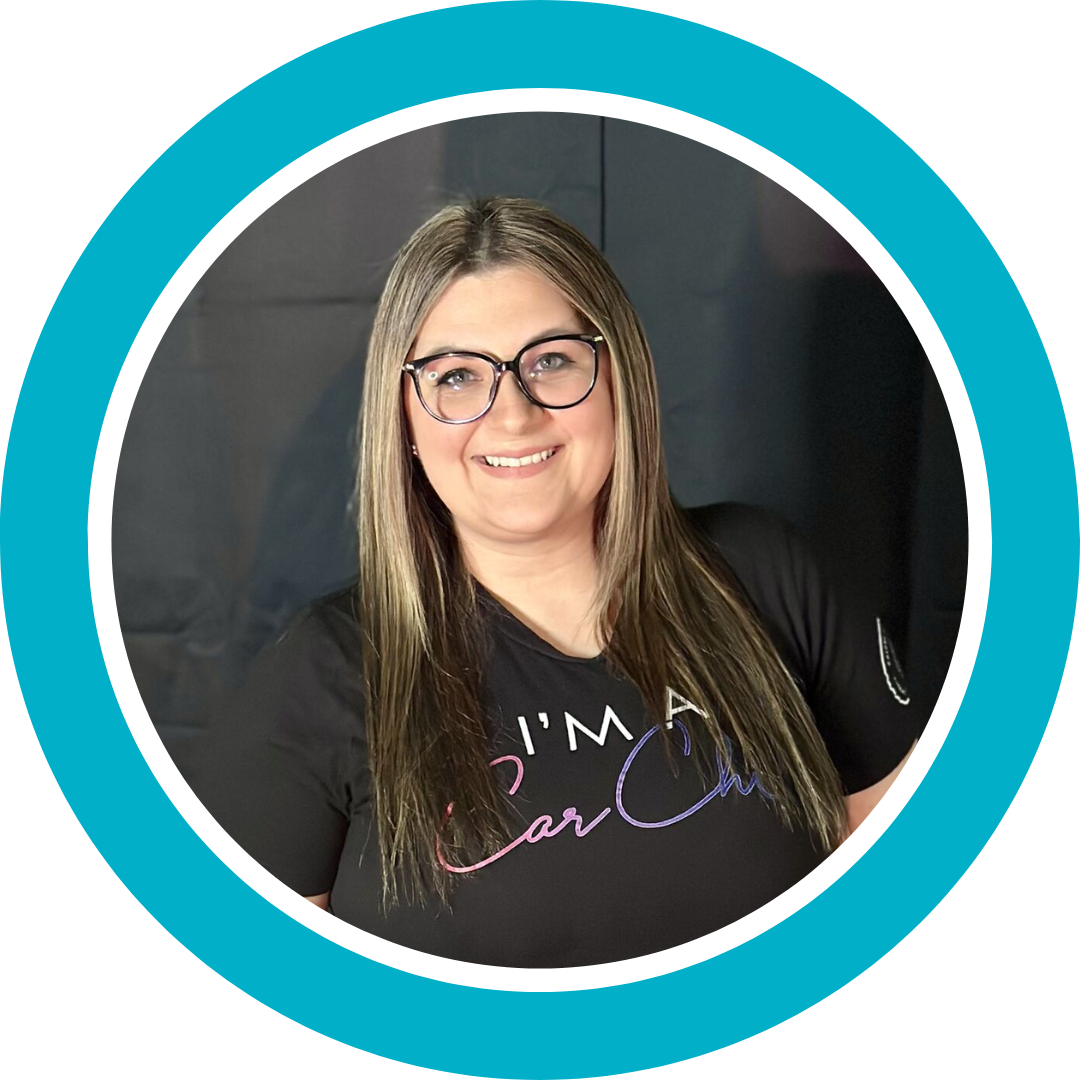
Shasta Haddock
Reimagining an Industry's Future
“What’s your vision for the future of Women In Automotive?” I asked each board member, curious about how they imagine the industry’s transformation.
Their responses painted a picture of revolutionary change. “My vision for the future of Women In Automotive is simple: representation at every level and in every role,” Bobbie Herron told me with conviction. “Women shouldn’t be seen as the exception in leadership, sales, service, or innovation—we should be the expectation.”
For WIA specifically, Bobbie envisions it becoming “the first place women turn to for mentorship, leadership training, and career advancement,” with “WIA programs embedded in dealerships, OEMs, and automotive companies as a critical resource for companies serious about diversity, inclusion, and innovation.”
The power of coaching emerged as a central theme in my discussion with Andy Church. “I strive to be a coach, a trainer, and a supporter,” he explained. “I believe the organization exists to give more women the support to compete and be successful in our industry.” When I asked about the industry’s biggest challenge, his answer was direct: “bringing more women to our industry and obtaining non-traditional roles.”
Dreams become reality through vision and action. Dr. Martha Rader sees WIA becoming “the premier organization for women in the automotive industry—offering unparalleled opportunities for networking, mentorship, education, and professional development.” In her view, WIA is emerging as “a driving force in fostering an industry culture where women not only enter but also thrive and lead.”
Building the pipeline of talent requires starting early, as Shasta Haddock emphasized in our conversation. “I see that we start bringing more women into the industry through college programs and even high school programs. It’s a lot easier to get them interested before they plug into a different career.” Her vision for WIA’s growth is expansive: “members in all 50 states, WIA Socials happening all over the country every month, and sold out attendance for the annual conference each year.”
The scope of change required is comprehensive, spanning all aspects of the industry. Veronica Dunford envisions, “increased representation and leadership in all facets, from engineering and design to executive management and innovation.” She aims to see “the percentage of women in the industry grow in all roles,” with WIA providing support “every step of that growth for support, mentorship, and community.”
Navigating the Roadblocks
“What’s the biggest challenge women in the automotive industry face today?” I asked, seeking to understand the obstacles that still need to be overcome.

The answers revealed structural, cultural, and systemic barriers that require intentional solutions. “One of the biggest challenges isn’t that women aren’t wanted in the industry—it’s that the structure of dealership operations hasn’t fully adapted to the realities of balancing career and family life,” Faith London explained thoughtfully. The consequences are tangible: “Many talented women leave the dealership world for vendor roles because those positions often offer more flexibility. If we want to retain and advance more women in dealerships, we need to rethink traditional work models and create environments where work-life balance is not just possible but prioritized.”
Culture emerged as a fundamental challenge in my conversation with Dr. Martha Rader. “The biggest challenge is culture. While progress has been made, there are still barriers to attracting, retaining, and advancing women in automotive.” The solution, she believes, must be inclusive: “Organizations like WIA help break these barriers by fostering community, mentorship, and advocacy, including men. By inspiring, networking, and supporting each other, women can navigate challenges and thrive.”
At the heart of industry disparities lie issues of “access and equality,” as Kathy Gilbert pointed out. She sees WIA playing a vital role in addressing these gaps: “WIA can help organizations educate, support and advocate for the women within their organizations. WIA can also provide access to resources that may not be available within their individual organizations.”
Systemic barriers to career advancement remain stubbornly persistent. “Women in this industry are highly capable, purposeful, and innovative, yet they are still underrepresented in executive roles and decision-making positions,” Bobbie Herron told me with passion. “Too often, hiring and promotions rely on outdated networks and unconscious bias, which makes it harder for women to break through, even when they outperform their peers.”
Professional development gaps affect everyone, but often impact women disproportionately. “I really still see a lack of mentorship within organizations but that really applies to everyone, not just women,” Shasta Haddock observed. “I think Organization Leaders need to be always on the lookout for programs and events for their team to be plugged in with and grow from.”
“Addressing these challenges requires both personal resilience and systematic support”, as Andy Church acknowledged in our conversation. His advice to women facing barriers to advancement is straightforward but powerful: “patience, persistence, and always be learning.” For the industry to grow, he believes in the importance of “bringing more women to our industry and obtaining non-traditional roles.”
The Roadmap to Success:
Practical Wisdom from Those Who've Been There
“What advice would you give to women aspiring to leadership roles, especially those facing barriers to advancement?” I was able to ask each board member, seeking actionable insights for women navigating their careers.

Their responses offer a practical roadmap drawn from decades of collective experience. “Take inventory of your skills and experiences, identifying both your strengths and areas for growth,” Kathy Gilbert advised. “Be proactive in developing skills where improvement is needed, whether through training, mentorship, or hands-on experience.” She also recommends “informational interviews” to gain insights into leadership opportunities and workplace culture.
Knowing when to seek new opportunities is equally important. “Advocate for your professional growth, but if you encounter persistent barriers or a lack of support, have the courage to walk away and seek an environment that values and invests in your growth and potential,” Kathy added.
Leadership philosophies shape how we navigate challenges. Andy Church shared a powerful principle learned from his mother: “Lead from the front! Don’t ask people to do anything you would not be willing to do yourself, get your hands dirty.” His advice for women facing advancement barriers is concise but potent: “patience, persistence, and always be learning.”
Strategic career advancement requires intentional action, as Dr. Martha Rader outlined when she shared three practical strategies:
“Seek mentorship: If there’s no formal mentorship program, take the initiative to seek out mentors. Some of the most meaningful mentor-mentee relationships happen when individuals have the courage to ask for guidance.
“Ask for advice: Be proactive—when aiming for a leadership position, ask those in higher roles, ‘If you were me, how would you position yourself for this opportunity?’ People love sharing insights, and this approach can open unexpected doors.
“Volunteer for new opportunities: Taking on additional responsibilities or learning new roles shows initiative. When leadership positions open up, having a diverse skill set will make you a strong candidate.”
Internal barriers can be as limiting as external ones. “The best advice I can give to women aspiring to leadership roles is to own their power and stop waiting for permission,” Bobbie Herron told me. “Too often, women feel they have to prove themselves over and over again before stepping up for leadership roles. If you’re already doing the work, claim the title. If you know you’re ready, ask for the opportunity.”
Bobbie identified a common mindset barrier: “One of the biggest barriers that women face is the belief that they have to be ‘100% ready’ before pursuing leadership. My advice is this: Take the shot. Raise your hand. Apply for the job. The people who succeed in leadership are the ones who put themselves in positions to be seen.”
Powerful philosophies can guide entire careers. “Success is something you attract by the person you become,” Faith London shared when I asked about her approach to leadership. “Too often, we wait for someone else to hand us an opportunity, but the truth is, we have the power to create our own path. Leadership is not about waiting for permission—it’s about showing up, putting in the work, and proving your value.”
Taking ownership of your career is essential, as Judy Farcus Serra, COO of Headquarter Automotive emphasized: “Take the job, take control of your future. Do not wait to be noticed, stick out. Have real conversations with your leadership team. Clearly defined expectations with open communication will be an advantage when you are looking to advance your career.”
Professional connections can make all the difference. “Build a solid network. I would be nowhere without the people who helped me when I needed it most,” Shasta Haddock told me. She also shared a perspective that redefines leadership: “You don’t have to have ‘leader’ in your title to help someone else. The best way to elevate yourself is to help others rise.”
Joining the Movement
“For women who want to be part of WIA’s mission, what are some of the most impactful ways they can get involved?” I asked, seeking concrete entry points for women inspired to take action.
The responses highlight multiple pathways to engagement. “WIA Socials!” Shasta Haddock responded immediately when I asked this question. “They are intimate and raw and bring the best folks in the industry together in a local setting where it is much easier to stay connected afterwards.”
Mentoring emerged as a powerful way to contribute. “Mentoring and advocacy are key. Get involved with WIA!” Andy Church emphasized. He particularly values “our yearly conference as one of my favorite programs as it provides education, networking, and support in a variety of areas to turbo charge participants’ careers.”
Exciting new initiatives are creating additional engagement opportunities. “We are thrilled to announce the upcoming launch of our Community mobile app in the next few weeks,” Veronica Dunford shared enthusiastically. “This app is designed to provide a dynamic and interactive platform for women in the automotive industry to connect, share experiences, and access a wealth of resources tailored to their needs.”
Another key program is on the horizon: “We are excited to share that we have been revamping and have relaunched our Mentorship program under Faith London’s direction. This program is the cornerstone of our mission, offering structured and impactful mentorship opportunities that pair experienced industry leaders with women seeking guidance and support in their careers.”
The transformative power of giving back resonated through my conversation with Judy Farcus Serra: “Join the mentoring and mentee community. Giving back is our greatest gift.”
Simple actions can create meaningful connections. “Join the WIA community, attend a WIA social, and attend the annual conference. It’s also important to share the experience with others,” Kathy Gilbert advised.
Words to Carry Forward
As our interviews drew to a close, I asked each board member for one powerful message to carry forward—especially for women just entering or looking to advance in the automotive industry.
Their responses offer both inspiration and practical wisdom for navigating an industry in transformation. “You belong here,” Andy Church affirmed with conviction. “The road ahead may have challenges, but your knowledge, passion, and resilience will drive change. Never hesitate to take up space, voice your ideas, and lead with confidence. Seek mentorship, support other women in the field, and continue breaking barriers. The industry needs your innovation, your leadership, and your perspective. Stay bold. Stay driven. Keep moving forward.”
The power of authenticity resonated through Bobbie Herron‘s message: “Be bold, be relentless, and never let anyone convince you that you don’t belong. Show up as your authentic self, claim your space, and don’t shrink yourself to fit outdated expectations. Do NOT let self-doubt stop you from taking the opportunities you’ve earned. Speak up, take on challenges that scare you, and trust that your perspective adds value to this industry. This industry wasn’t built for us but that doesn’t mean we don’t belong here.“
Decades of experience inform Dr. Martha Rader‘s comprehensive guidance: “Believe in yourself, seek mentorship, build a strong network, embrace continuous learning, and always support other women. The road may have challenges, but with resilience, knowledge, and the right support system, there are no limits to what you can achieve.“
Taking ownership of your journey is essential, as Faith London emphasized: “Don’t wait for someone to give you permission—go after what you want. You are capable, and you have the power to create your own success. Surround yourself with people who support and challenge you, invest in your growth, and when you achieve your next milestone, turn around and help the next woman do the same.”
Your Journey Begins Now

Through these conversations with WIA Board members, a powerful truth emerges: the automotive industry is in the midst of transformation, and women are driving that change in unprecedented ways. What’s most clear is that success isn’t measured by individual achievement alone, but by the doors we open for others. Each board member shared stories of both receiving support and giving it—creating a powerful cycle of empowerment that continues to transform the industry.
What’s your next step on this journey? Will you attend a WIA Social, apply to the Mentorship program, become a Mentor, or simply reach out to another woman in your organization? The pathways have been illuminated by those who came before, but your unique contribution is what will continue to transform the landscape.
Remember Veronica Dunford’s powerful advice: “Be your authentic self. Embrace your individuality and unique perspectives, for they are your greatest strengths.” Your perspective matters. Your voice is needed. Your leadership is essential.
Ready to join a community of women reshaping the automotive industry? Explore WIA’s resources at Women In Automotive today.